14 years later, Spider-Man fails to fix the Hulk’s most frustrating character flaw in the MCU
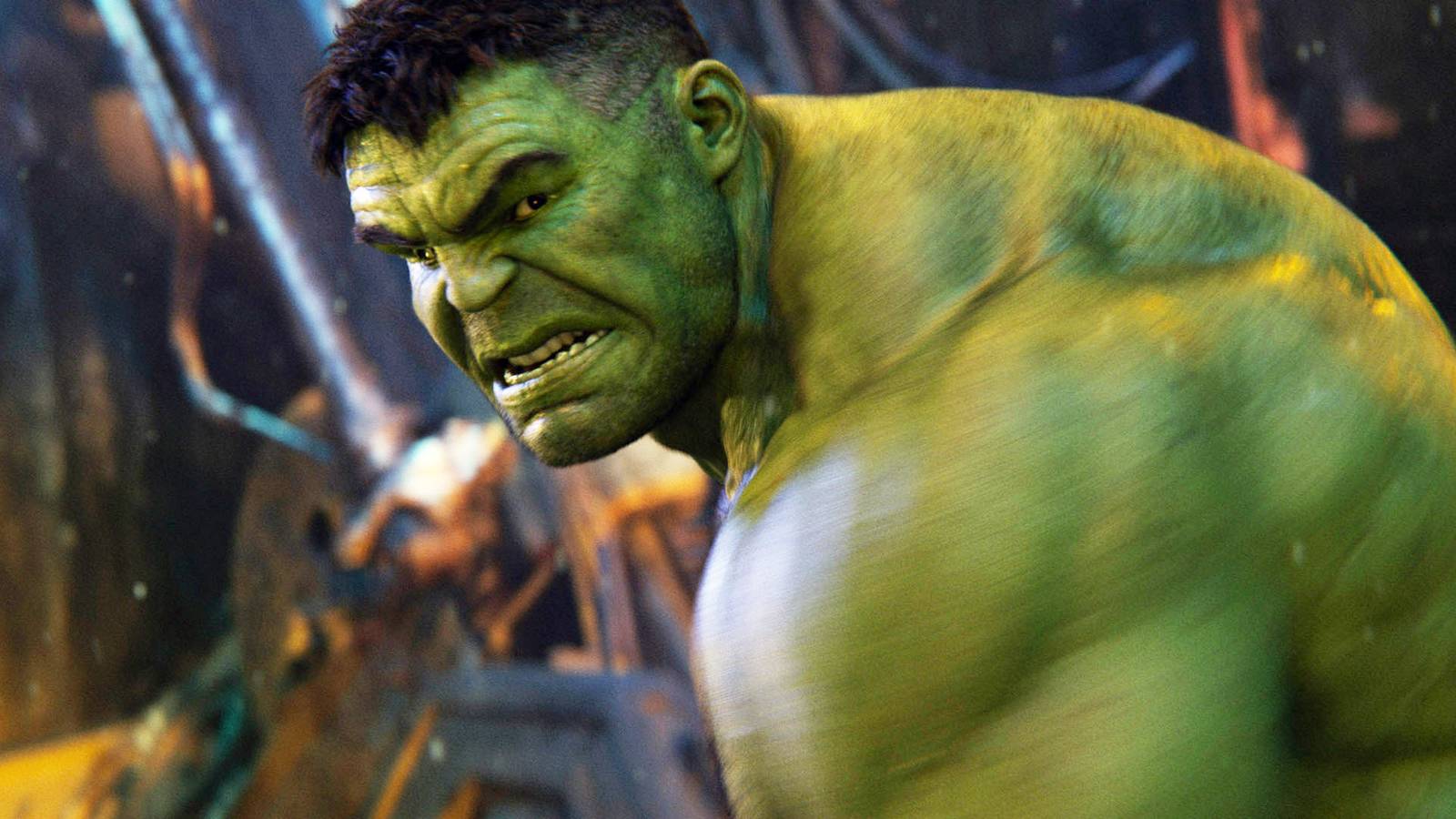
Savage Hulk is back. In Spider-Man: Brand New Day, the Hulk (Mark Ruffalo) is no longer the chill, confident “Professor Hulk” we saw in Avengers: Endgame. Instead, he’s the Hulk everyone wants, the rampaging rage machine that just likes to smash. The return is a welcome one, but it does feed into a bigger Hulk pattern in the Marvel Cinematic Universe that may annoy some longtime fans of the green goliath.
Warning: Spoilers ahead for Spider-Man: Brand New Day
Spider-Man: Brand New Day’s big Hulk problem
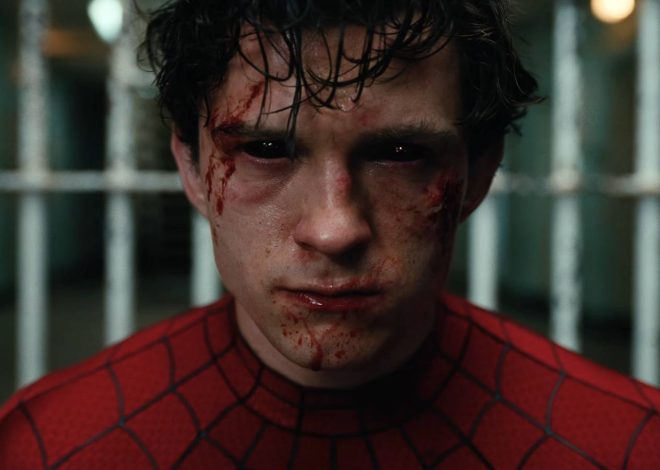
Brand New Day‘s big Hulk fight scene is a lot of fun. We see the Punisher (Jon Bernthal) hopelessly shower the Hulk with bullets before Spider-Man (Tom Holland) wraps the Hulk up in webs and tosses him out of a building.
On its own, there is nothing to complain about in the scene. The Hulk is back to being the destructive monster and he’s made even bigger than his previous appearances in the Marvel Cinematic Universe. The scene does, however, continue a trend that has many Hulk fans enraged.
A history of the Hulk losing fights in the MCU
The last time the Hulk won a major fight was way back in the first Avengers film. Since then, he’s lost time after time. Rather than triumph over his opponents like the other Avengers have done, the Hulk has merely been used as a proving ground to illustrate the strength of others. Maybe this trend has been going on without you knowing it, but many fans have noticed and they’re fed up.
The MCU’s version of the Hulk debuted in 2008 with The Incredible Hulk. He was portrayed by Ed Norton back then and he looked a little different, but it’s the same continuity. In that movie, the Hulk took on the US military and Abomination (Tim Roth) and he triumphed over both. He was then recast and redesigned for Avengers, where he smashed plenty of stuff during the Battle of New York, including those big Chitauri ships. He also delivers the final blow on Loki (Tom Hiddleston), when he slams him around like a rag doll and calls him “Puny god.”

Hulk fans were elated coming out of Avengers because it looked like, after Ang Lee’s Hulk and The Incredible Hulk failed to blow people away, we finally had a Hulk that could shine on the big screen. It seemed to be the start of something exciting; little did we know it was also the end.
Hulk’s next movie was Avengers: Age of Ultron. He takes part in the early fight against Strucker (Thomas Kretschmann) as well as the final fight against Ultron (James Spader), but he merely smashes some no-name minions of the big bad villains, never anyone of note. His best fight in the film was against Iron Man (Robert Downey Jr.) in the Hulkbuster armor, which he loses.
He goes into space at the end of Age of Ultron and winds up on Sakaar, where he becomes a champion in many, many fights — all of which are off-screen. We only see him lose to Thor (Chris Hemsworth) on Sakaar. Then, once Thor and the Hulk travel to Asgard along with Loki and Valkyrie (Tessa Thompson), the Hulk does battle with a giant dog that belongs to Thor’s sister, Hela (Cate Blanchett). He mostly gets dragged around by the dog, but Hulk does manage a blow which sends it down a waterfall and into the vastness of space. Technically, the Hulk won that one, but it was hardly an impressive Hulk beat-down as the waterfall seemed to have way more to do with the dog’s death than the Hulk did.
Hulk then attacks the giant fire creature Surtur, but that’s mostly used for comic effect to show how giant Surtur is in comparison to Hulk.

Next, the Hulk takes on Thanos (Josh Brolin) in Avengers: Infinity War. Thanos easily defeats the Hulk. In fact, he defeats him so easily that the Hulk hides inside Bruce Banner for the remainder of the film.
When the Hulk returns in Avengers: Endgame, he’s Professor Hulk. While in this form, the Hulk is chosen to use the Infinity Gauntlet to bring back all the people Thanos snapped away at the end of Infinity War. This is a big, important task, but hardly the kind of destructive action we want from the character. Plus, using the glove is so taxing he only participates a little bit in the big fight with Thanos’ army.
Hulk then got into a fight with She-Hulk in the She-Hulk series, but that was little more than a spat between cousins with no real winner.
Then came Spider-Man: Brand New Day, where the Hulk, once again, lost.
Hulk vs Spider-Man

To be clear, nothing is really wrong with any of these scenes. While I’m sure certain Hulk fans debate the merits of the Hulk losing these individual fights, the issue is more about the fact that the ulk just always seems to be losing. Of course, this probably has much more to do with the rights issues with the Hulk than anything else.
The rights for a big screen solo Hulk film do not reside with Disney like the rest of the MCU heroes (except Spider-Man). Instead, Universal owns the rights to distribute a Hulk film. Meaning, even if Marvel Studios were to make a solo Hulk movie, Universal would get a huge chunk of the profits. While Disney worked out a deal with Sony to make Spider-Man movies, it has not done that with the Hulk since 2008. Instead, Marvel’s only put him in Avengers films or in the films of other superheroes. As such, without the Hulk being the star of his own movies, he’s mostly been used to advance the stories of others. This generally means he’s got to lose fights so the movie’s “real” hero can win. And until Marvel decides the Hulk is a priority for them, we can probably expect him to keep on losing fights for the foreseeable future.
Spider-Man: Brand New Day is now in theaters.
PakarPBN
A Private Blog Network (PBN) is a collection of websites that are controlled by a single individual or organization and used primarily to build backlinks to a “money site” in order to influence its ranking in search engines such as Google. The core idea behind a PBN is based on the importance of backlinks in Google’s ranking algorithm. Since Google views backlinks as signals of authority and trust, some website owners attempt to artificially create these signals through a controlled network of sites.
In a typical PBN setup, the owner acquires expired or aged domains that already have existing authority, backlinks, and history. These domains are rebuilt with new content and hosted separately, often using different IP addresses, hosting providers, themes, and ownership details to make them appear unrelated. Within the content published on these sites, links are strategically placed that point to the main website the owner wants to rank higher. By doing this, the owner attempts to pass link equity (also known as “link juice”) from the PBN sites to the target website.
The purpose of a PBN is to give the impression that the target website is naturally earning links from multiple independent sources. If done effectively, this can temporarily improve keyword rankings, increase organic visibility, and drive more traffic from search results.